



The global real estate market is currently facing its most significant transformation since the invention of the land registry. Historically, property has been the ultimate “chunky” asset—immensely valuable but notoriously illiquid. In 2026, the friction of 90-day settlements and massive capital barriers is being dismantled by Real Estate Tokenization.
By 2035, analysts predict the tokenized real estate market will exceed $4 trillion. For the modern marketer, this represents a fundamental shift in strategy. We are moving away from selling physical “lots” and toward managing Real-World Assets (RWA) on-chain. This guide explores the technical architecture, the marketing shift, and the regulatory reality of the new property economy.
1. Decoding the Tech: Tokens, NFTs, and the ERC-3643 Standard
To understand tokenization, we must move beyond the “crypto” hype and look at the underlying data structures. Tokenization is the process of representing a property’s legal title as digital tokens on a blockchain ledger. However, not all tokens are created equal.




Fungible vs. Non-Fungible Real Estate
In 2026, we primarily see two structures:
- Fractional Tokens (ERC-20/ERC-3643): These represent shares in a large asset, such as a $20 million commercial plaza. Each token is identical, functioning like a digital share of stock that grants the holder a proportional right to rental yields.
- NFT Deeds (ERC-721/1155): These are unique “Digital Deeds” for single properties. An NFT deed doesn’t just represent ownership; it acts as a Digital Wrapper for the entire history of the home, including structural surveys, maintenance records, and minimalist design blueprints.
The Rise of the Compliance Token (ERC-3643)
Standard tokens like those used for Bitcoin don’t work for real estate because they lack “identity.” In the property world, we need to know who is buying. The ERC-3643 standard has become the industry favorite because it includes “On-chain Identity Management.” It ensures that tokens can only be transferred to wallets that have passed verified KYC (Know Your Customer) and AML (Anti-Money Laundering) checks, making it 100% compliant with NZ and AU financial regulations.
2. Smart Contracts: The End of the Escrow Era
The “middleman” is the most expensive part of a traditional real estate deal. Lawyers, escrow agents, and notaries all add time and cost. Smart Contracts—self-executing agreements written in code—are replacing these manual layers with immutable logic.
Imagine a property sale where the settlement happens in 12 seconds instead of 12 weeks. This is achieved through “If/Then” Programmability:
IF the buyer’s wallet deposits the agreed 50,000 USDC
AND the Digital Disclosure Statement is biometrically signed
THEN the Smart Contract automatically triggers the Land Registry update and releases funds to the seller.
This “Atomic Swap” eliminates settlement risk. The seller doesn’t have to worry about the buyer’s finance failing at the last minute, and the buyer doesn’t have to worry about the title transfer being delayed.
3. Marketing Strategy: The “Modern Industrial” Funnel
Tokenization turns real estate into a global asset. If you are marketing a tokenized loft in Christchurch, your investor pool isn’t limited to the Canterbury region; it includes a designer in Berlin and a tech founder in Brisbane. Your marketing must reflect this global, digital-first audience.
Phase 1: The Digital Twin and Virtual Staging
Since investors may never visit the physical site, the Digital Twin is your primary sales tool. Leverage Modern Industrial aesthetics—raw concrete, exposed steel, and integrated greenery—in high-fidelity 3D renderings. Use AR (Augmented Reality) to allow potential token holders to “walk through” the space from their mobile devices. Aesthetic trust is the new currency.
Phase 2: Hyper-Local SEO for Global Investors
Your SEO strategy should focus on “intent-based” keywords. Instead of just ranking for “houses for sale,” you should be targeting:
- “Fractional real estate investment yields 2026”
- “Tokenized commercial property Australia”
- “How to buy property shares with USDC”
Phase 3: The Google Merchant Model
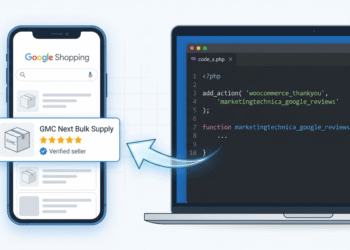
In 2026, we are seeing the “productization” of property. Using Schema markup, you can list fractional property shares in Google Merchant Center. This allows your tokenized investment to appear in search carousels right alongside traditional financial products, complete with real-time rental yield data pulled directly from the blockchain.
4. Transparency, Trust, and the “Oracle”
A common criticism of blockchain is: “How do I know the tokens actually represent a real house?” This is where the Oracle comes in. In tech terms, an Oracle is a bridge that brings real-world data onto the blockchain. In real estate, the “Oracle” is the licensed professional.
The blockchain provides the efficiency, but the human agent provides the Verification. The agent’s role in 2026 is to verify the “off-chain” reality:
- Ensuring the roof doesn’t leak.
- Verifying the boundaries match the digital map.
- Confirming the modern industrial renovations meet local building codes.
When the agent signs off, that data is “hashed” onto the blockchain, creating an immutable record of trust that global investors can rely on.
5. The Future: Secondary Markets and Instant Liquidity
The ultimate goal of tokenization is the creation of Secondary Markets. Historically, if you owned a house, your equity was “trapped” until you sold the whole thing. With tokens, you can sell 10% of your equity on a digital marketplace on a Tuesday afternoon to fund a new project, without ever moving out of the house.
This creates a Liquid Real Estate Market. It allows for more dynamic portfolio management and gives younger generations a way to build property wealth $500 at a time, rather than waiting a decade to save for a massive deposit.
Frequently Asked Questions about Real Estate Tokenization
Conclusion: The Architecture of Real Estate 3.0
Real estate tokenization is not just a technological gimmick; it is a fundamental upgrade to the world’s most valuable asset class. By combining Smart Contract efficiency with high-end design marketing and global SEO, we are building a more inclusive, transparent, and liquid market.
The future belongs to the professionals who understand that a house is no longer just a place to live—it is a programmable digital asset. Whether you are an agent, an investor, or a technologist, the shift to Real Estate 3.0 is the most important development you will witness this decade.